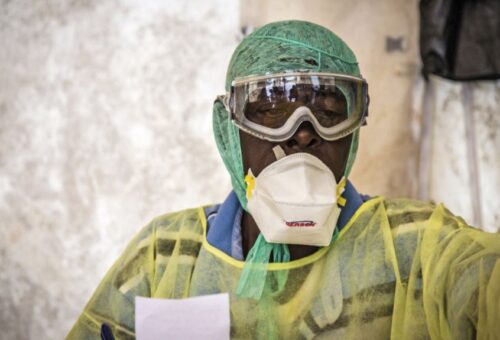



A measles outbreak in Bangladesh has killed 1,147 individuals and contaminated greater than 202,000 others because it started in March 2026, with an investigation by Reuters linking the disaster to declining vaccination protection, weak well being knowledge and difficulties reaching kids.
The Reuters investigation, revealed on Saturday, discovered that Bangladesh’s routine measles vaccination programme faltered in 2025, with first-dose protection falling to 90 per cent and second-dose protection to 86 per cent.
The figures had been under the 95 per cent protection stage the World Health Organisation (WHO) says is required to forestall measles outbreaks.
The investigation was primarily based on a assessment of WHO paperwork and interviews with greater than a dozen scientists, well being employees and officers. Reuters additionally examined beforehand unreported paperwork from conferences between the Bangladeshi authorities, WHO and different well being companions.
“Until recently, Bangladesh had been a vaccination success story,” Reuters famous. WHO and UNICEF estimated that the nation achieved 96 per cent protection for the primary measles vaccine dose and 93 per cent for the second dose in 2024.
However, Reuters stories that political turmoil following 2024 protests disrupted well being providers.


“But that same year, protests erupted that ended 15 years of rule by Prime Minister Sheikh Hasina. In the ensuing political turmoil, health workers went on strike, vaccine orders were delayed, and follow-up vaccinations that usually accompany routine programmes were disrupted,” it famous.
Emergency marketing campaign
As the outbreak worsened, Bangladesh launched an emergency vaccination marketing campaign that reached virtually 20 million kids in April and May.
The authorities stated the marketing campaign had lined each baby within the goal age group of six months to 5 years.
However, Reuters discovered proof that tens of millions of kids might have been missed. A separate routine well being intervention carried out in June had a goal record containing 4 million extra kids than the measles emergency marketing campaign, regardless of masking the identical age group.
The discrepancy raised questions on how full the emergency marketing campaign was and the information used to find out what number of kids wanted vaccination.
By August, Reuters reviewed paperwork displaying that gaps persevered. Meeting minutes described the proportion of kids with confirmed measles who had not been vaccinated as nearly unchanged after the emergency marketing campaign.
At the top of September, the federal government launched one other marketing campaign focusing on 3.4 million kids it stated had beforehand been missed.
Mark Jit, a WHO vaccine adviser, described Bangladesh’s expertise as “a real warning to every country”, saying stopping an outbreak by means of vaccination was simpler, cheaper and safer than responding after transmission had intensified.
Nigeria’s scenario
The improvement comes as measles additionally stays a public well being concern in Nigeria, the place 1000’s of instances and greater than 100 deaths had been recorded within the first seven months of 2026.
According to the Nigeria Centre for Disease Control and Prevention (NCDC), 9,308 suspected measles instances had been recorded throughout the 36 states and the Federal Capital Territory between January and July.
Of these, 7,713 had been confirmed, whereas 522 had been discarded and 1,073 remained pending. The NCDC recorded 109 deaths throughout the interval, giving a case fatality ratio of 1.41 per cent.
The burden was reported nationwide, with all 36 states and the FCT recording at the least one suspected case. A complete of 611 native authorities areas reported at the least one suspected case, whereas measles outbreaks had been recorded in 71 LGAs throughout 14 states.
The NCDC stated kids aged 9 to 59 months accounted for 58.67 per cent of confirmed measles instances recorded in 2026 throughout the interval lined by the report.
Borno recorded essentially the most suspected instances, with 2,673, adopted by Zamfara with 1,157 and Yobe with 792. The three states accounted for greater than half of the suspected instances recorded throughout the interval.
READ ALSO: US records highest measles infections in 35 years
Surveillance challenges
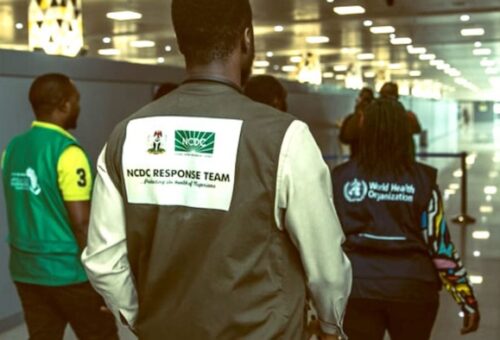
The NCDC has additionally recognized surveillance and knowledge reporting as challenges in Nigeria’s response.
Its stories have highlighted the necessity to harmonise surveillance and laboratory knowledge from states and laboratories, present well timed reporting and strengthen follow-up with states experiencing outbreaks.
As of the top of July, the company was conducting outbreak-response actions, together with surveillance engagement, creating supplementary immunisation plans for measles and rubella, and testing samples by means of reference laboratories.
Discover extra from Premium Times Nigeria
Subscribe to get the most recent posts despatched to your e mail.