
Michael Olugbode in Abuja
ActionAid Nigeria has referred to as on federal and state governments to urgently enhance funding in reasonably priced housing, social safety and financial justice, warning that tens of millions of Nigerians stay trapped in poverty amid meals insecurity, insufficient shelter and widening inequality.
The organisation mentioned roughly 133 million Nigerians, representing 63 per cent of the inhabitants, had been residing in multidimensional poverty, in line with the National Bureau of Statistics’ 2022 Multidimensional Poverty Index.
It added that more moderen World Bank estimates indicated that 123 million Nigerians, or 50.8 per cent, lived in excessive financial poverty in 2025, underscoring the size of deprivation confronting the nation.
ActionAid Nigeria made the decision in a press release issued on Friday in Abuja to mark the 2026 International Day for the Eradication of Poverty, noticed below the theme, ‘Safe Homes for All,” within the broader 2026–2028 theme, “United for Peace and Human Rights’.
The organisation mentioned the figures mirrored completely different dimensions of poverty however demonstrated the pressing want for efficient and inclusive authorities interventions to enhance residing situations.
It additionally cited a September 2026 evaluation by the Food and Agriculture Organisation, which estimated that 36.3 million Nigerians confronted crisis-level or worse acute meals insecurity in the course of the June to August lean season.
According to the assertion, UNICEF reported that about 11 million kids below 5 skilled extreme meals poverty in 2024, whereas its 2026 humanitarian evaluation estimated that three million kids required life-saving therapy for extreme losing.
ActionAid Nigeria mentioned the figures highlighted the mixed results of financial hardship, battle and insufficient entry to nutritious meals, notably amongst weak households.
The organisation recognized housing as one other main problem, citing a 2025 World Bank analytical evaluate which estimated that 87 million Nigerians lived in poor housing situations, alongside a nationwide housing deficit of roughly 17 million items.
It warned that insufficient shelter additional deepened poverty amongst ladies, kids, individuals with disabilities and displaced communities, stressing that entry to secure and reasonably priced housing was elementary to human dignity, safety and financial alternative.
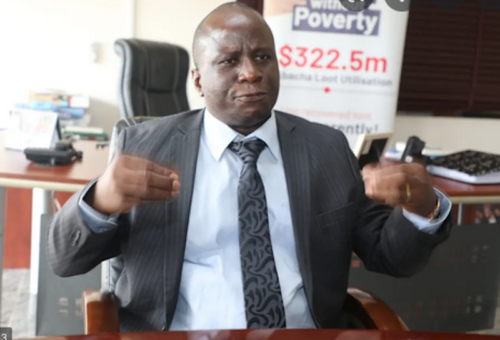
The Country Director of ActionAid Nigeria, Dr. Andrew Mamedu, mentioned poverty was not inevitable however sustained by inequality, exclusion and coverage selections that denied tens of millions of Nigerians entry to primary requirements and alternatives.
“Poverty is not inevitable. It is sustained by inequality, exclusion and policy choices that continue to deny millions of Nigerians access to necessities and opportunities,” Mamedu mentioned.
He added that no Nigerian household ought to have to decide on between meals, shelter, healthcare and schooling in a rustic endowed with ample human and pure assets.
Mamedu referred to as for public budgets that prioritised residents’ welfare, social safety programs that reached weak households, and financial insurance policies able to creating respectable jobs and lowering inequality.
He mentioned nationwide progress ought to be measured not solely by financial progress but in addition by enhancements in the residing situations of essentially the most weak residents.
On social safety, ActionAid Nigeria mentioned the National Social Register remained an vital mechanism for figuring out poor and weak households however careworn that its effectiveness trusted transparency, dependable knowledge, inclusive entry and accountable implementation.
It cautioned that registration didn’t routinely assure entry to authorities help, urging authorities to make sure that eligible households may gain advantage from accessible interventions via truthful and efficient supply programs.
The organisation mentioned it was working with companions via the European Union-funded Support for Strengthening Social Protection in Nigeria (ESSPIN) challenge to lift consciousness of the register, promote group participation and advocate accountable social safety programs in Abia, Benue, Oyo and Sokoto states.
It urged federal and state governments to extend funding for secure, enough and reasonably priced housing, notably for low-income households, whereas increasing entry to healthcare, schooling, clear water and sanitation.
ActionAid Nigeria additionally referred to as for adequately financed and inclusive social safety programmes, respectable employment alternatives and financial insurance policies that protected weak households fairly than worsening inequality.
It urged the National Social Safety-Nets Coordinating Office, State Operations Coordinating Units and different related establishments to strengthen transparency, knowledge integrity and public consciousness in managing the National Social Register to make sure truthful identification of weak households.
The organisation additional referred to as on improvement companions, civil society teams and the media to advertise significant participation by individuals experiencing poverty, notably ladies, younger individuals and individuals with disabilities, whereas monitoring authorities commitments and demanding accountability for poverty discount.
It maintained that poverty eradication required greater than non permanent reduction measures, insisting that sustained public funding, equitable financial insurance policies, accountable establishments and measurable implementation targets had been important to delivering lasting enhancements.
“Poverty cannot be eradicated through declarations alone. It requires political will, deliberate investment in people and a collective commitment to justice, equality and human dignity,” the organisation mentioned.
ActionAid Nigeria is a social justice non-governmental organisation working to eradicate poverty and injustice, with a deal with social justice, gender equality and sustainable improvement.